
For manufacturers running EDM operations, picking the wrong dielectric fluid isn't a minor detail. It can wreck surface finish, slow down machining speed, and shorten the life of your machine. Fluid choice touches nearly every part of the process, from spark control to debris flushing.
This guide breaks down what dielectric fluid actually is, the different types used across industries, its specific role in EDM machining, and how to choose and maintain the right fluid for your shop.
Key Takeaways
- Dielectric fluid insulates and cools while allowing controlled electrical discharge, unlike solid insulators
- Wire EDM uses deionized water; sinker EDM uses hydrocarbon oil or synthetic fluid
- Fluid choice directly impacts material removal rate, tool wear, and surface finish quality
- Regular filtration (often 5-micron) and monitoring extend fluid life and machine performance
- Synthetic fluids cost more upfront but resist aging better than petroleum-based alternatives
What Is Dielectric Fluid?
A dielectric is any material that resists electrical conductivity while still supporting an electrostatic field. Solid dielectrics include glass, mica, and plastics. Dielectric fluid is that same insulating behavior in liquid form — which makes it far more versatile for applications that need circulation, cooling, and flushing.
Liquid dielectrics have one property solids can't match: self-healing. When an electrical breakdown occurs, meaning a spark jumps through the fluid, the discharge channel doesn't leave behind a permanent conductive trace. The fluid closes back around that channel and returns to its insulating state almost instantly.
That's why the same batch of dielectric fluid can handle thousands of discharges in an EDM tank without failing as an insulator. A solid dielectric that breaks down once is often ruined for good.
What Is Dielectric Fluid Made Of?
Composition depends heavily on the application:
- Refined hydrocarbon or mineral oils — common in older EDM systems and transformers
- Deionized water — stripped of ions to eliminate conductivity, standard in wire EDM
- Synthetic esters — engineered oils with additives for stability and longer life
- Fluorocarbons — used in specialty cooling and some electronics applications
Wire EDM shops typically run deionized water for easy filtration and consistent flushing, while sinker EDM shops often stick with hydrocarbon oil to protect surface finish quality. Quality dielectric fluids are engineered for high dielectric strength, thermal stability, and low toxicity, regardless of which base material they start from.
Key Properties That Define a Good Dielectric Fluid
A handful of properties separate a good dielectric fluid from a mediocre one:
- High dielectric (breakdown) strength — resists conducting electricity under stress
- Thermal stability — holds up under repeated heating without breaking down chemically
- Low viscosity — flows easily for good flushing and cooling
- Non-flammability — reduces fire risk, especially important around sparking equipment
- Chemical inertness — resists corroding metal components over time

Fluid that breaks down from heat or contamination lets sparks wander unpredictably, driving up scrap rates and slowing cycle times.
Dielectric strength matters more than most operators realize. Higher breakdown strength allows tighter, more controlled sparks in EDM, which translates directly into better surface finish and tighter precision on the part.
Types of Dielectric Fluid Used in Industry
Fluid selection varies widely depending on the application, budget, and performance requirements. What works in a transformer won't work in a wire EDM tank, and vice versa.
Hydrocarbon & Mineral Oils
Kerosene, paraffin, and transformer oil have been the default dielectric choice for decades. They're inexpensive and provide decent insulation, which explains why they've stuck around in both EDM and transformer applications.
The downside: these oils are flammable, and disposal comes with environmental headaches that newer synthetic fluids aim to solve.
Deionized / Distilled Water
Deionized water is the go-to dielectric for wire EDM, prized for its low viscosity and excellent flushing and cooling properties. That's an important distinction, though — plain tap water or even distilled water isn't automatically a dielectric.
Water only becomes an effective insulator once ions are stripped out through deionization. Skip that step, and you've got a conductive fluid that won't control the spark properly.
Synthetic Esters & Specialty EDM Fluids
Modern synthetic dielectric fluids are formulated for longer service life, better thermal stability, and non-flammability. These are common in sinker EDM and micro-EDM applications where finish quality matters more than raw cutting speed.
As one example, Oelheld's synthetic IonoPlus dielectric line for die-sinking EDM spans viscosities of roughly 1.4 to 3.8 mm²/s and flash points between 63 and 125°C, depending on the grade. Specs like these vary by manufacturer, so always check the product sheet for your specific fluid.
Dielectric gases deserve a quick mention, too. Gases such as sulfur hexafluoride serve as dielectrics in switchgear and transmission lines. These aren't liquids and aren't used in EDM, but they round out the broader dielectric material category.
The Role of Dielectric Fluid in EDM Machining
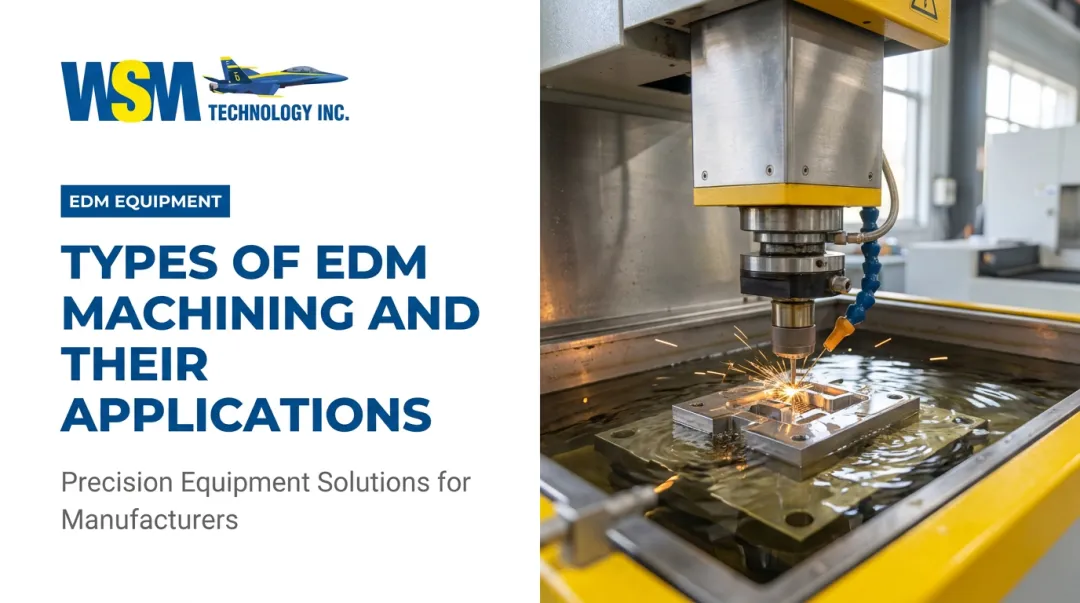
Dielectric fluid does three jobs simultaneously in EDM machining:
- Insulates — controls exactly when and where the spark fires between electrode and workpiece
- Flushes — carries eroded debris out of the gap so it doesn't interfere with the next discharge
- Cools — pulls heat away from the workpiece and electrode to protect tight tolerances

Fluid choice has a measurable effect on both material removal rate and surface finish. In one die-sinking experiment on Inconel 718, a modified EDM oil produced 36.44% higher material removal rate and 30% lower tool-wear rate compared to standard EDM oil. Surface roughness improved slightly too, though the modified fluid also caused particle buildup that clogged filters faster.
Matching Fluid to Machine Type
- Wire EDM typically runs deionized water, since the process needs low viscosity for flushing fine kerfs and cooling the wire electrode
- Sinker/ram EDM typically runs hydrocarbon oil or synthetic dielectric fluid, which better suits deeper cavity work and finer surface finish demands
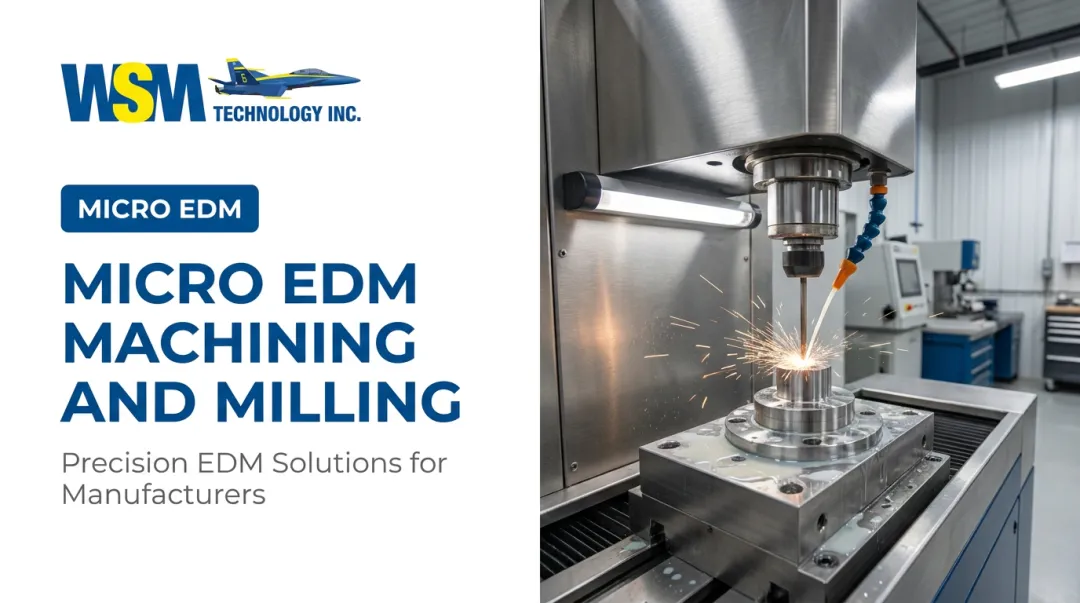
- Micro-EDM (Sarix systems, for example) typically runs deionized water or specialty dielectric fluid, matched to the ultra-fine electrode gaps and micron-level tolerances the process demands
Filtration keeps either fluid usable over time. Many EDM systems rely on 5-micron filter cartridges to strip fine debris before it recirculates and interferes with the next spark. Clean, low-viscosity dielectric improves both machining efficiency and finish quality; dirty fluid does the opposite, often showing up as inconsistent surface finish or increased electrode wear.
WSM Technology carries EDM equipment across all three major categories, wire, sinker, and Sarix micro-EDM. Its CPG Department supplies the consumables that keep dielectric fluid clean: filters, resin tanks for deionizing wire EDM water, and EDM wire itself. Shops working with Encore Group refurbished machines get the same consumables support to keep fluid quality consistent long after the initial purchase.
For shops that want hands-on guidance on filtration setup or fluid selection, WSM's demonstration center in Rootstown, Ohio, offers training alongside its equipment lineup.
Other Common Applications of Dielectric Fluid
EDM isn't the only place dielectric fluid earns its keep. Several other industries depend on it just as heavily.
Electrical equipment. Transformers, capacitors, switchgear, and high-voltage cables all use dielectric fluid for insulation and cooling. Without it, these components would overheat or arc uncontrollably.
Data center immersion cooling. Servers are increasingly submerged directly in dielectric fluid for heat transfer, skipping traditional air cooling entirely. This matters because server fans alone can consume 10% to 20% of total power draw in high-performance servers, according to Uptime Institute.
Removing fans through immersion cooling creates a real efficiency opportunity, though pumps and coolant-distribution units can offset part of that gain.
Utility hydraulic systems. Aerial lift buckets and similar utility equipment use dielectric hydraulic fluids that combine electrical insulation safety with anti-rust and anti-wear properties, protecting both the equipment and the line worker.

How to Choose the Right Dielectric Fluid
Selecting the right fluid comes down to a handful of practical factors:
- Material compatibility with your workpiece and electrode
- Viscosity suited to your machine type and flushing needs
- Surface finish requirements for the parts you're producing
- Erosion resistance for consistent, predictable machining
- Environmental impact and disposal requirements
- Cost per gallon and expected service life
Synthetic fluids typically cost more per gallon than petroleum-based oils, but they're formulated with aging inhibitors that help them resist breakdown longer under repeated thermal stress. Petroleum-based fluids remain the cheaper option upfront, which is why they're still common in shops running high-volume, lower-precision work.
Cost isn't the only factor to weigh before making a change, though. Before switching fluid types on an existing machine, check with your machine manufacturer or a trusted dealer. Incompatible fluid can affect seal materials, filtration systems, or electrical components, and in some cases can void your machine's warranty. WSM Technology's team, including founder Blaise Buholzer, who brings decades of hands-on EDM application experience, can walk you through fluid compatibility questions before you make the switch.
Dielectric Fluid Safety, Handling & Maintenance
Is dielectric fluid hazardous? Generally, no. Most dielectric fluids are non-conductive and low in toxicity. That said, some petroleum-based fluids carry fire risk or can irritate skin with prolonged contact, so always follow the safety data sheet (SDS) for your specific product.
Maintenance best practices:
- Filter fluid regularly to remove debris and particulate buildup
- Monitor for moisture contamination or ion buildup, especially in deionized water systems
- Replace fluid according to manufacturer-recommended intervals rather than guessing
Disposal matters too, since used dielectric fluid must be handled per local environmental regulations, similar to used oil disposal rules. Modern biodegradable synthetic fluids reduce environmental impact compared to older petroleum-based options, giving shops a cleaner disposal path as regulations tighten.
Frequently Asked Questions
Is dielectric fluid hazardous?
Generally, no. Dielectric fluid is non-conductive and low-risk, though petroleum-based types can pose fire or skin irritation risks. Always follow SDS guidance for handling and storage.
Is distilled water a dielectric fluid?
Not by itself. Distilled water still contains enough ions to conduct electricity. It only becomes a true dielectric once deionized, which is why wire EDM systems use resin tanks to strip ions first.
What is dielectric fluid made of?
Depending on the application, it's made from refined hydrocarbon oils, synthetic esters, deionized water, or fluorocarbons. Each option balances cost, insulation strength, and thermal performance differently.
How is dielectric fluid made?
Petroleum-based fluids are refined from base oils to hit specific viscosity and flash point targets. Water-based dielectric fluid is made by passing water through deionizing resin to strip out conductive ions.
Is dielectric fluid conductive?
No, it's an insulator, not a conductor. That's precisely what allows it to control sparks between the electrode and workpiece rather than letting current flow freely.
How long does dielectric fluid last?
Synthetic fluids typically resist aging longer than petroleum-based oils, thanks to added stabilizers, though lifespan varies by machine and usage. Always check your manufacturer's recommended replacement schedule rather than relying on a fixed timeline.