
Many shops search "vice holding" when they mean "vise holding" — the correct term for the clamping tool that secures a workpiece during machining, EDM, or milling. That confusion is common, and we'll clear it up below. But the real question shops need answered is bigger: which vise, for which job, and why does it matter so much for accuracy and uptime?
This article covers the types of vises used in CNC and EDM shops, why workholding quality affects scrap and cycle time, and how to pick the right one for your machines.
Key Takeaways
- A vise (not "vice") is the clamping tool that holds workpieces steady during machining, drilling, EDM, and fabrication
- Vise type affects precision and repeatability, plus how fully you can use the machine—not only how hard it clamps
- Poor workholding contributes to scrap and part distortion, along with setup errors that slow every cycle
- Matching vise duty and interface to your machine matters more than jaw size alone
- An experienced equipment dealer can help you select workholding suited to your specific CNC or EDM setup
What Is Vise Holding?
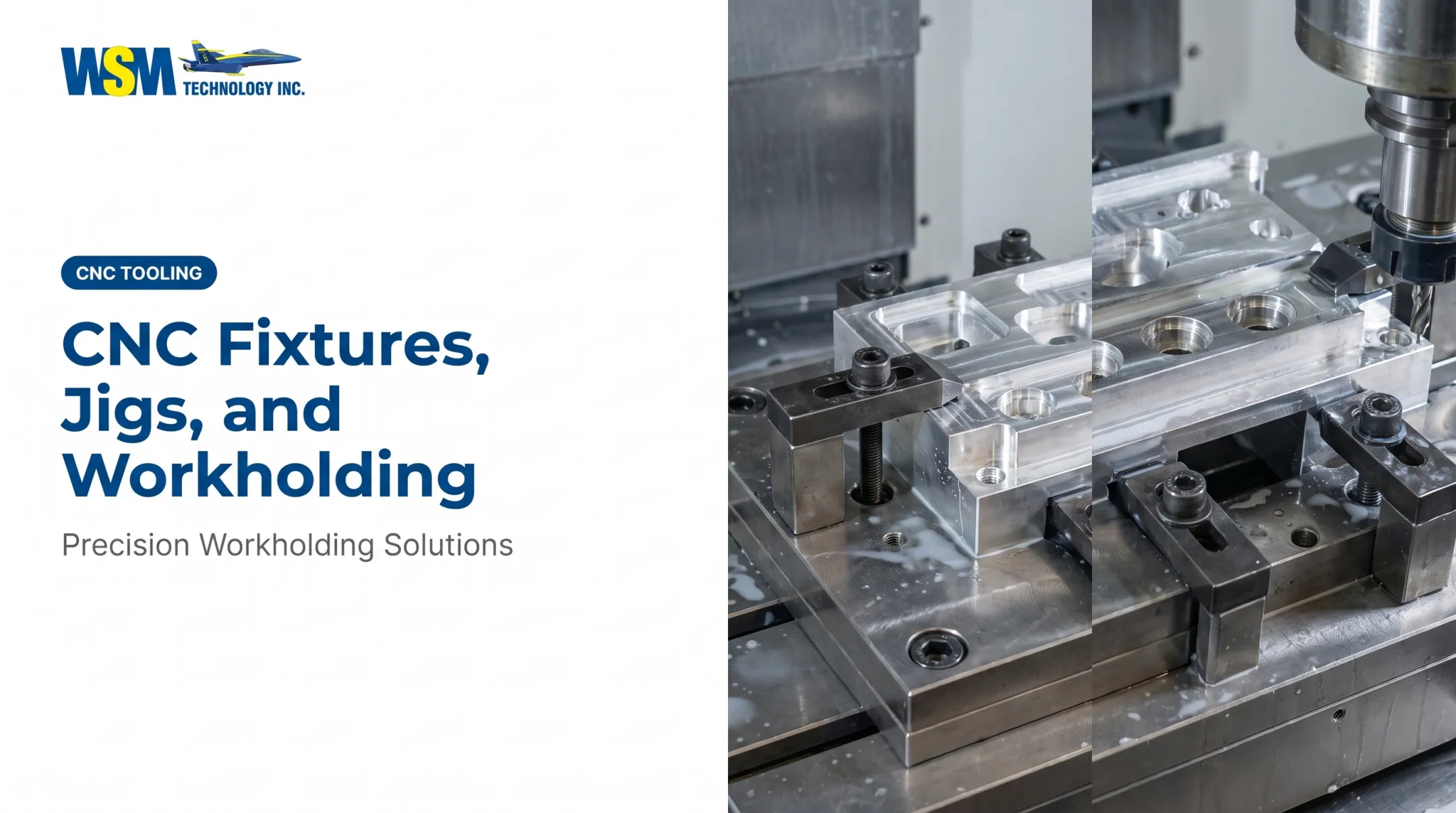
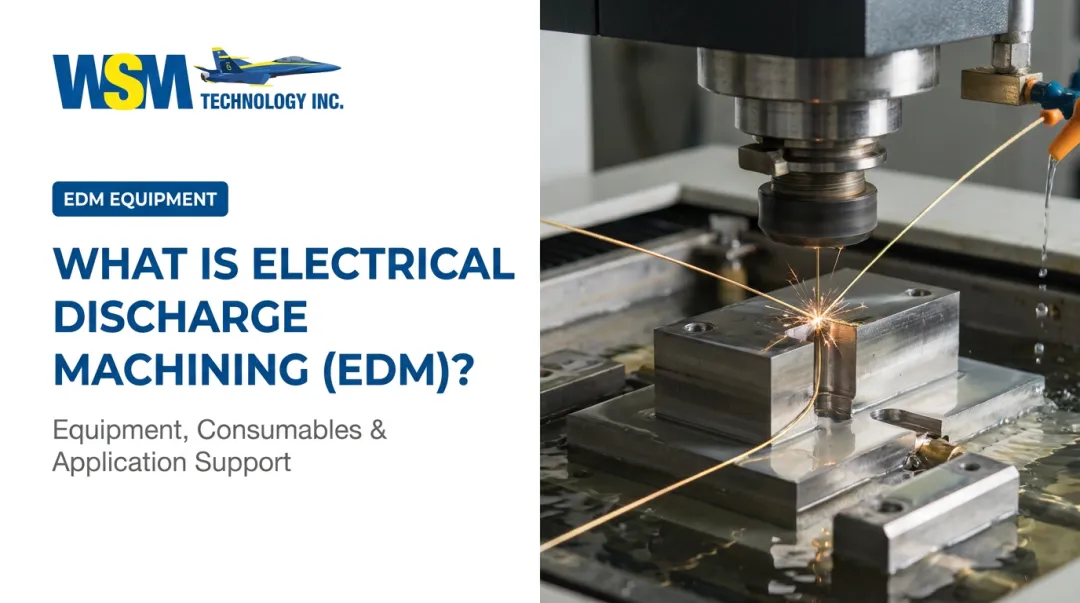
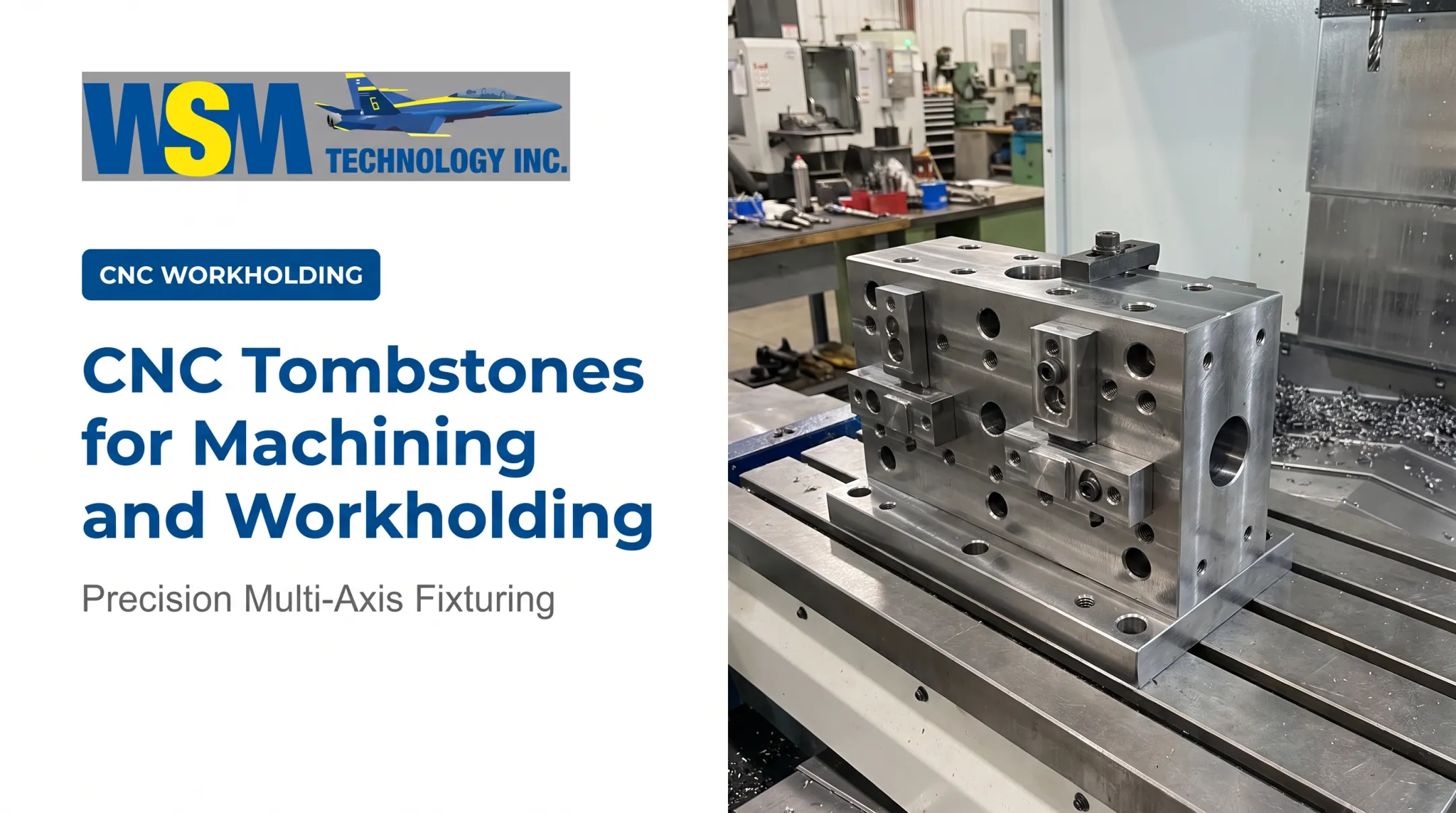
Vise holding is the practice of using a mechanical clamping device (a fixed jaw and a movable jaw) to secure a workpiece against the forces of cutting, drilling, or EDM erosion. A screw, lever, or cam mechanism tightens the movable jaw against the part, locating it consistently and resisting movement during the operation.
The clamp itself is simple. Holding micron-level location under real cutting or EDM forces is not.
The Terminology Mix-Up
Here's the confusion: "vise" is the tool with jaws. "vice" is a bad habit.
That is the standard American English distinction. British English often spells the tool "vice," which is why many manufacturing searches use the wrong spelling. This article uses "vise," the accurate US shop term.
Where Vise Holding Matters Most
Vise holding shows up constantly in:
- Mold and die making: securing mold components for EDM sinking and milling operations
- Aerospace manufacturing: holding tight-tolerance parts through multi-axis machining
- Precision mechanics shops: repeatable clamping for parts measured in microns, not thousandths
Jaw material depends on the job:
- Steel jaws for general-purpose clamping
- Cast iron bodies for rigidity in bench and machinist vises
- Soft jaws (aluminum or brass) to protect finished or delicate surfaces from marring
Soft jaws are common in mold and die work, where the clamped surface cannot show tool marks.

Vise vs. Vice: Clearing Up the Confusion
Quick clarification, since this trips up even experienced buyers.
Vise = the two-jaw workholding tool used in machine shops. Vice = a moral failing or bad habit. They're pronounced identically, which is exactly why the mix-up persists.
A few practical notes:
- British English spells the tool "vice," so many international "vice holding" searches still mean workholding vises
- US catalogs and spec sheets use "vise"
- This article sticks with "vise" from here forward, since that's the term you'll see on quotes, machine specs, and tooling catalogs
Getting the term right matters less than getting the tool right—jaw type, capacity, and clamping force drive the real decisions.
The Four Main Types of Vises Used in Manufacturing
Not all vises serve the same purpose. Each type solves a different clamping problem.
Bench vise — General-purpose clamping for cutting, filing, and assembly. Mounts to a workbench (not a machine table), usually with a cast iron body, hardened steel jaws, and a swivel base—built for access and versatility, not machining tolerance.
Machine vise — Mounted directly to a CNC mill, drill press, or milling machine table. A flanged bottom provides stability and a defined clamping area. This is the workhorse vise for general milling operations.
Drill press vise — Purpose-built to stabilize a part during drilling. Typically features replaceable steel jaws and an open base to accommodate through-holes. Don't assume it has the rigidity or locating accuracy a milling vise needs.
Woodworking vise — Standard in carpentry; not used for metalworking or precision machining.

Where Precision Vises Fit In
CNC and EDM shops often need a fifth category that isn't a separate "type" so much as a performance class: precision machine vises. These are ground on multiple sides, self-centering, and built for sub-thousandth repeatability.
General shop vises and precision machining vises are not the same product. Treating them as interchangeable is a common, costly mistake.
Published specs also measure different things. One 2025 self-centering vise lists centering precision of ±0.005 mm; a wire-EDM vise from the same year lists 0.002 mm/100 mm parallelism. Those numbers are not interchangeable error types, so always match the spec to the job.
Why Vise Holding Matters in CNC and EDM Machining
Workholding sits between your machine and your part. If it fails to locate the workpiece consistently or resist cutting/EDM forces, everything downstream suffers.
The consequences of inconsistent clamping:
- Part shifting mid-cycle, ruining dimensional accuracy
- Scrap from distortion: one documented case showed a simple workholding setup creating flatness error as high as 0.025 inches
- Machine crashes when a part moves into the tool path
- Surface finish defects from vibration or micro-movement

NIST research on precision machining processes links tighter process control, including workholding, to reduced inspection time, scrap, and rework. That's not a vise-specific statistic, but the mechanism is clear: a stable, repeatable clamp is foundational to process control.
Real numbers back this up in specific cases. A 2008 trade report on vise-jaw upgrades cited an average productivity increase of 15%, with some shops seeing improvements as high as 200% after correcting a poor workholding setup. Those are case-specific results, not guarantees, but they show the range of impact a vise decision can have.
Verifying Your Setup Before You Buy
This is why test cuts and time studies matter. Rather than guessing whether a vise configuration will hold tolerance on your actual parts, running a test cut on comparable equipment shows you the real result.
WSM Technology's demonstration center in Rootstown, Ohio gives manufacturers a chance to see Mitsubishi, JINGDIAO, and Sarix equipment running live before committing to a purchase. Pairing that with test cuts and time studies helps confirm a workholding setup will actually perform the way a spec sheet claims, before it's sitting on your shop floor.
Common Applications Across Industries
Vise selection looks different depending on what you're making.
- Mold and die making — Securing mold components for sinker EDM and precision milling, often with round or irregular geometries that demand flexible jaw configurations
- Aerospace and automotive — Holding tight-tolerance parts through multi-axis machining, where high-density vise setups hold multiple parts at once to boost throughput
- **Micro molding and micro mechanics** — Specialized small-jaw vises for components that may be only millimeters across, where standard jaw force would crush or distort the part
These are the same industries WSM Technology supports across Northern Ohio, Western Pennsylvania, and West Virginia.
How to Choose the Right Vise for Your Shop
Vise selection isn't just about jaw size. Consider these factors together:
- Jaw width and opening capacity: Match to your typical workpiece envelope, not just the largest part you might someday run
- Duty rating: Light, medium, or heavy duty should reflect actual cutting or EDM loads, not just nominal vise size
- Machine compatibility: Table slots, keys, subplates, and access points vary by machine; a vise that fits your mill may not fit your EDM
- Accuracy requirements: Know which metric matters for your part: parallelism, squareness, or centering repeatability
A vise that's rated for the job on paper but doesn't match your machine's table interface or your part's tolerance requirements creates problems no amount of clamping force can fix.

Because vise selection touches machine compatibility as much as workholding theory, it's worth consulting with an equipment specialist who understands both your machine platform and your parts. WSM Technology's application engineering and turnkey support help shops match workholding to their CNC, EDM, and milling equipment rather than guessing.
Frequently Asked Questions
What are the four main types of vises?
Bench, machine, drill press, and woodworking vises. Machine and drill press models dominate CNC and metal shops; bench units cover general work, and woodworking vises are built for carpentry.
What does vise mean?
A vise is a clamping tool with fixed and movable jaws, used to hold a workpiece securely during machining, drilling, EDM, or fabrication. The jaws typically tighten via a screw, lever, or cam mechanism.
What's the difference between vice and vise?
"Vice" refers to a bad habit or moral fault. "Vise" is the correct spelling for the clamping tool used in machine shops. They sound identical, which causes frequent search and spelling confusion.
Can a vise be used on both milling machines and EDM machines?
Yes, precision machine vises are commonly used across both milling and EDM setups. However, wire EDM and sinker EDM often require specialized leveling or self-centering fixtures to hit tight tolerances.
How do I maintain a vise for long-term accuracy?
- Clean debris from jaws and slideways after every use
- Lubricate moving components regularly
- Check parallelism and squareness periodically
Small deviations compound quickly in precision work.