
Introduction
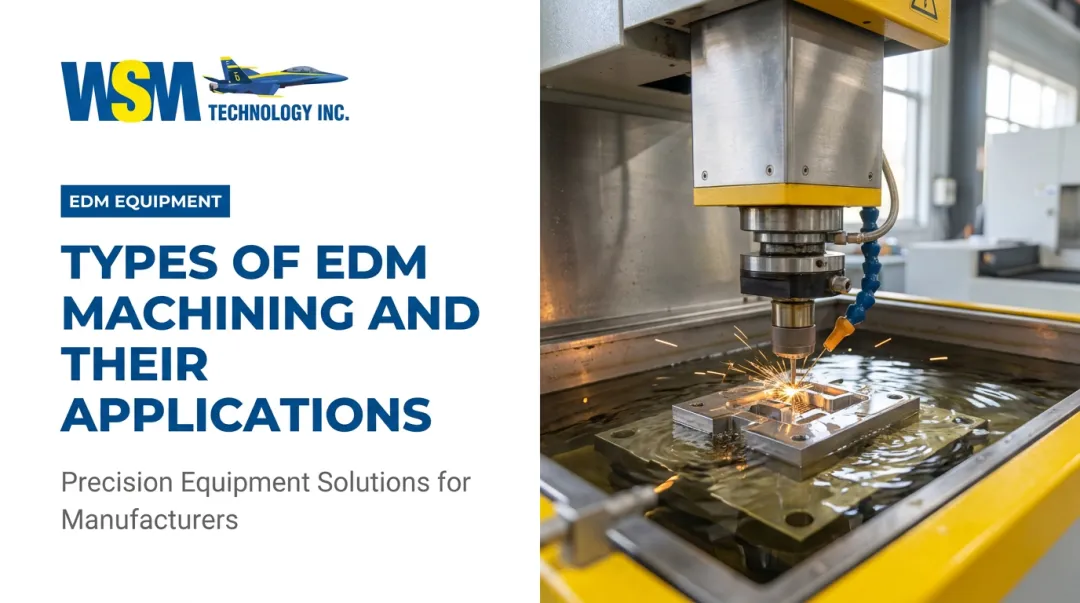
Electrical discharge machining comes in two dominant flavors: sinker and wire. Both erode hardened, electrically conductive metal using controlled sparks instead of cutting force. That's where the similarity ends.
Picking the wrong one adds unnecessary cycle time and electrode cost. It can also turn a straightforward geometry into a machining headache. For mold and die shops, that mistake shows up directly in lead times and margins.
This guide breaks down how sinker and wire EDM actually work, where each one wins, and how to figure out which your shop needs. In most cases, you'll need both.
Key Takeaways
- Sinker EDM sinks a shaped electrode into the workpiece to form blind cavities and sharp corners.
- Wire EDM feeds a continuous wire through the part, ideal for profiles and through-cut dies.
- Both processes skip mechanical force, easing hardened-steel machining, though each solves different geometry problems.
- Sinker costs track with electrode complexity; wire costs track with cut length and skim passes.
- Most mold and die shops eventually need both technologies in the same workflow.
Sinker EDM vs Wire EDM: Quick Comparison
Here's how the two processes stack up across the factors that actually drive purchasing and process decisions.
| Factor | Sinker EDM | Wire EDM |
|---|---|---|
| Mechanism | Shaped graphite/copper electrode erodes a cavity via spark discharge in dielectric oil | Thin, continuously fed wire erodes a through-cut path in deionized water |
| Geometry | Closed cavities, blind pockets, deep ribs, undercuts | Open profiles, through-cuts, tapered walls, contours needing a start hole |
| Precision | Positional accuracy ranges from +/-1 to +/-5 microns depending on machine model, per Makino's sinker EDM specifications | Tight tolerances achievable, but finish quality depends heavily on skim-pass count |
| Speed | Slower bulk removal; depends on cavity depth and electrode strategy | Faster for straight-line profile cutting; slows dramatically on thick sections |
| Cost drivers | Electrode design/fabrication, number of roughing/finishing electrodes, burn time | Wire consumption, skim-pass count, cut length and material thickness |
Two things jump out here. First, geometry decides the process before speed or price ever enter the conversation. Second, neither machine has a single "typical tolerance" you can quote in a vacuum. Accuracy depends on the specific model, the material, and the burn or pass strategy you run.

What is Sinker EDM?
Sinker EDM (also called ram, die-sink, or plunge EDM) uses a custom-shaped electrode that erodes a mirror-image cavity into the workpiece. Mold and die shops rely on it for one simple reason: some cavities can't be reached, or held accurately, by a rotating cutting tool.
Because there's no mechanical contact between electrode and part, sinker EDM machines thin ribs, sharp corners, and hardened tool steel without deflection or distortion. That directly cuts scrap and rework on features a mill would struggle to hold.
Electrode Material Trade-offs
Electrode selection shapes both speed and finish quality. Graphite cuts faster during roughing and holds its edge better on longer burns, while copper gives finer control during finishing passes, particularly on detailed geometry.
Electrode wear is unavoidable, which is why most cavity jobs run a sequence of roughing electrodes followed by one or more finishing electrodes to hold tolerance. Planning that sequence, and its cost, is a core part of quoting sinker EDM work.
Use Cases of Sinker EDM
Sinker EDM typically enters a shop's workflow after CNC roughing, once heat-treated material and deep or complex geometry make cutting tools unreliable. It dominates in:
- Injection mold cavities
- Die casting tools
- Forging dies
- Aerospace and medical tooling with sharp internal features
A documented example from Action Mold and Machining shows this capability in action. Using Sodick sinker machines, the shop burned a 0.020-inch electrode 1 inch deep into steel with no reported arcing or pitting, crediting a fast Z-axis jump speed for clean debris evacuation.
On a separate job, switching to a more efficient electrode sequence let the shop use three electrodes instead of four, cutting electrode machining time by 25%, according to Mold Making Technology's case coverage. That's the kind of result a well-planned electrode strategy delivers.

What is Wire EDM?
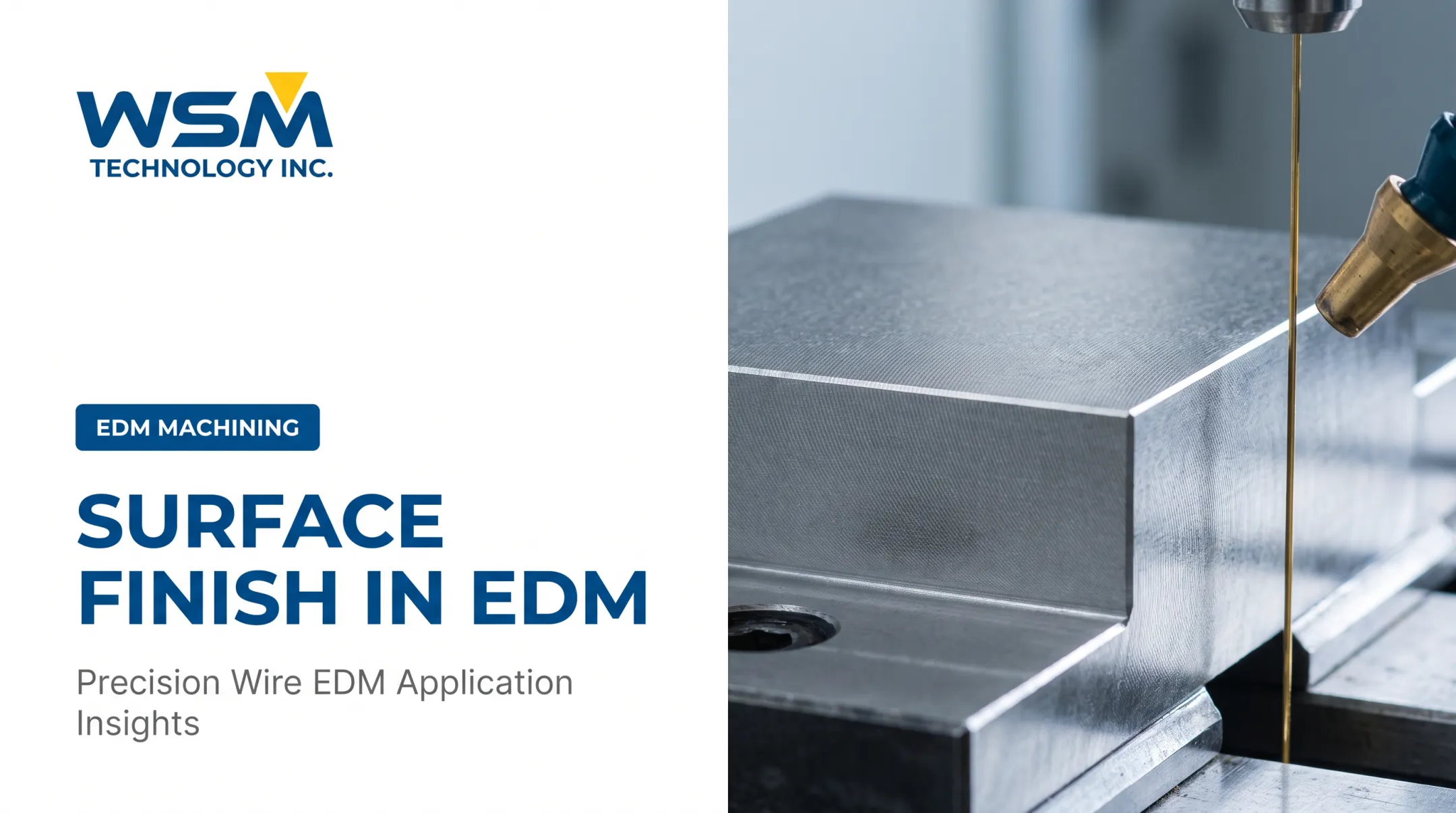
Wire EDM is the go-to method whenever a design requires cutting completely through a conductive plate rather than forming a blind cavity. A thin wire, continuously fed and never touching the part, erodes a path through the material in deionized water.
Because the wire doesn't make mechanical contact, wire EDM introduces minimal residual stress. That makes it the preferred choice for thin, delicate, or already heat-treated components that can't tolerate distortion.
Standard vs. Taper Cutting
Most wire EDM work runs as standard 2-axis profile cutting, but many machines add 4-axis capability for tapered or stacked geometries. As one example, older Mitsubishi wire EDM platforms like the FX10 offer taper cutting up to ±15 degrees at 4 inches thick, opening up draft angles and stacked-part configurations that a 2-axis setup can't touch.
One limitation worth flagging: wire EDM needs a start hole to cut internal features. Sinker EDM doesn't have that constraint since it forms blind cavities directly.
Use Cases of Wire EDM
Wire EDM fits naturally into the process chain for:
- Punches and dies
- Extrusion tooling
- Graphite electrodes that feed into sinker EDM operations
It's the dominant method in tool and die shops, medical and dental instrument production, and aerospace work requiring tight-tolerance through-cuts.
Precision numbers back up why wire earns that reputation. A documented example from Modern Machine Shop describes a 3-inch-thick carbide workpiece cut to +/-0.0001 inch, according to Modern Machine Shop's wire EDM buying guide.
Hitting a super-fine 4-5 microinch Ra finish on that same cut required six or seven skim passes. That trade-off between finish target and pass count is exactly what shows up in real production quotes.
Sinker vs Wire EDM: Which Should You Choose?
The decision usually comes down to four factors:
- Geometry type: blind cavity or through-cut
- Material hardness: both processes handle hardened steel, but sinker is often introduced specifically because a hardened cavity can't be milled reliably
- Required tolerance/finish: how many finishing electrodes or skim passes can the job absorb
- Production volume: one-off tooling versus repeat production runs
Situational Recommendations
- Choose sinker EDM for deep cavities, sharp internal corners, and hardened mold or die work.
- Choose wire EDM for flat profiles, punches, and tight positional tolerances on through-cuts.
- Use both in sequence for parts needing complex cavities plus precise external geometry, like a mold insert with a sunk cavity and a wire-cut outer profile.
Consider a mold shop stuck with long cycle times because it's trying to hard-mill deep, hardened cavities. Adding a dedicated sinker EDM step after CNC roughing removes the deflection risk entirely. The shop typically sees fewer scrapped inserts and tighter cavity tolerances, without adding tool changes to the mill.
Test cuts and time studies let a shop compare machine performance on its own parts before committing to a process or a machine purchase. WSM Technology's Demonstration Center in Rootstown, Ohio runs exactly this kind of side-by-side evaluation for sinker and wire EDM.
If you're not sure which method fits a specific part, an applications engineer can walk through geometry, material, and tolerance requirements before you commit to a machine.

Conclusion
Sinker and wire EDM solve different geometry problems on the shop floor. A blind cavity with sharp internal corners needs sinker EDM. A through-cut punch profile needs wire EDM. Most precision shops eventually need access to both machines.
The payoff for getting this right is concrete: less rework, tighter tolerances on hardened materials, and shorter lead times on mold and die work.
WSM Technology represents Mitsubishi wire and sinker EDM platforms alongside OPS Ingersoll gantry sinker machines across Northern Ohio, Western Pennsylvania, and West Virginia. Shops in that territory get both technologies through a single dealer relationship, shared consumables pipeline, and one training program.
If your shop is weighing a sinker purchase, a wire upgrade, or both, WSM Technology can walk through test cuts and time studies on your actual parts before you buy.
Frequently Asked Questions
What is a sinker EDM machine?
A sinker EDM machine uses a shaped electrode and spark erosion in dielectric fluid to form cavities in conductive workpieces. It's also called a die-sink, ram, or plunge EDM machine.
Can you sinker EDM aluminum?
Yes. Aluminum is electrically conductive, making it machinable via sinker EDM. Its lower melting point means generator settings like on-time and amperage need adjustment from a steel recipe.
How accurate is sinker EDM?
Position accuracy on modern sinker machines ranges from roughly ±1 to ±5 microns, depending on the model. Actual cavity accuracy also depends on electrode wear control, spark gap management, and burn parameters, not machine specs alone.
What are the three types of EDM machining?
The three main types are sinker (die-sink) EDM for blind cavities, wire-cut EDM for through-profile cutting, and hole-drilling EDM for small, deep holes and wire start holes.
What is the main difference between sinker EDM and wire EDM?
Sinker EDM forms blind cavities using a shaped electrode. Wire EDM cuts completely through a workpiece using a continuously moving wire. The choice comes down to geometry.
Which is more cost-effective, sinker or wire EDM?
Neither is universally cheaper. Sinker EDM costs scale with electrode complexity and burn time, while wire EDM costs scale with cut length, thickness, and the number of finishing skim passes required.